Longevity Science
Longevity Testing:
Which Ageing Tests Are Worth It and Which Are Hype
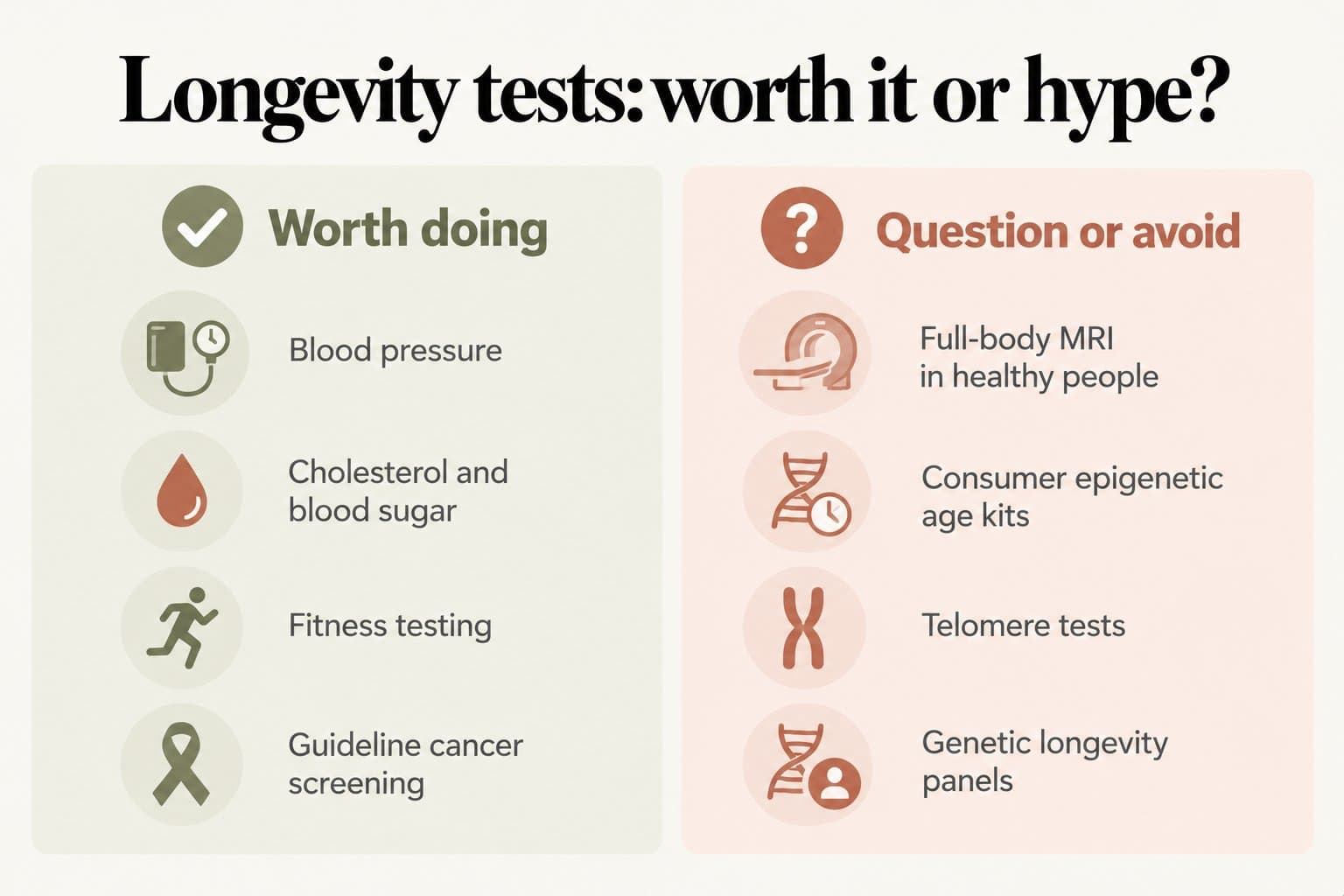
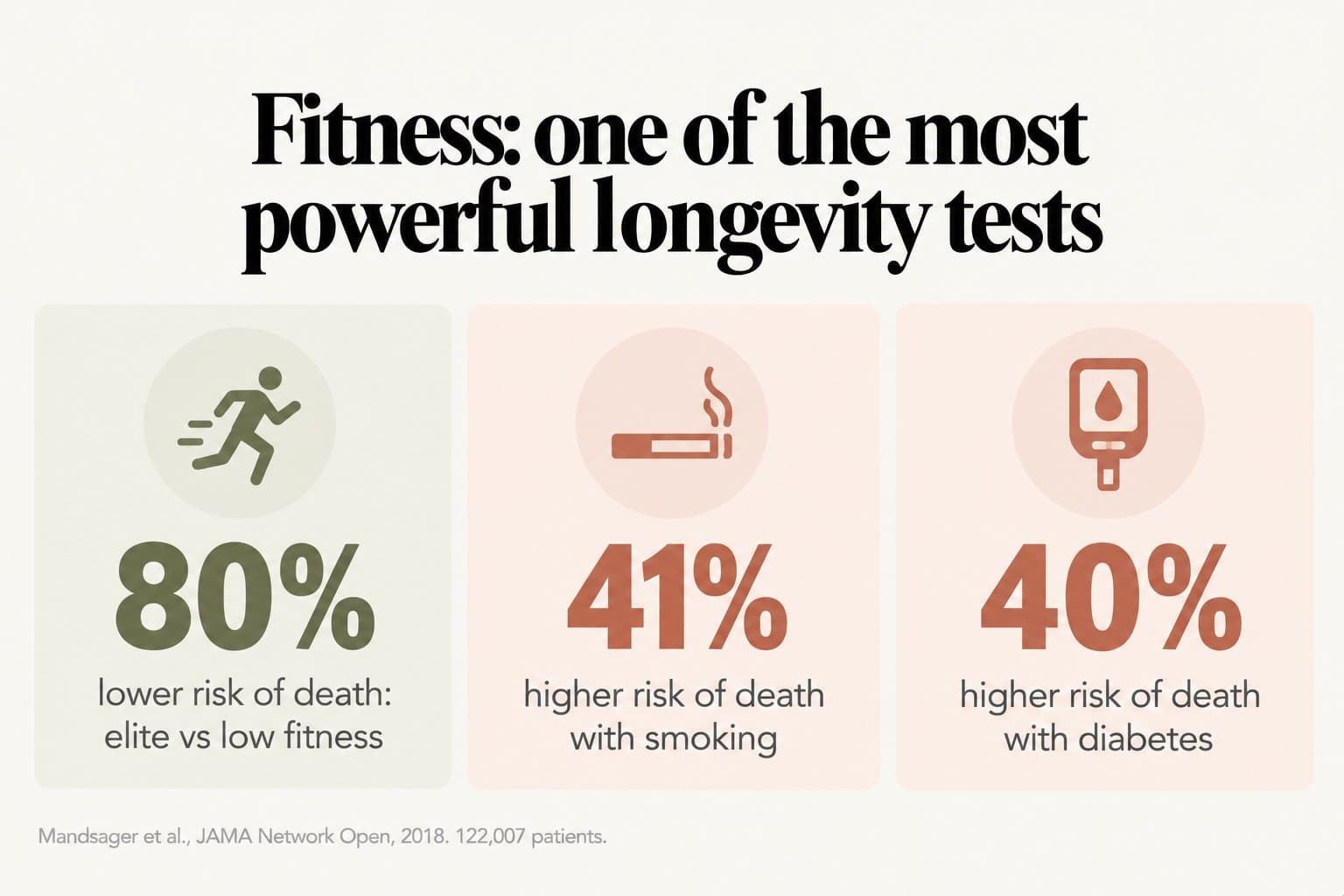
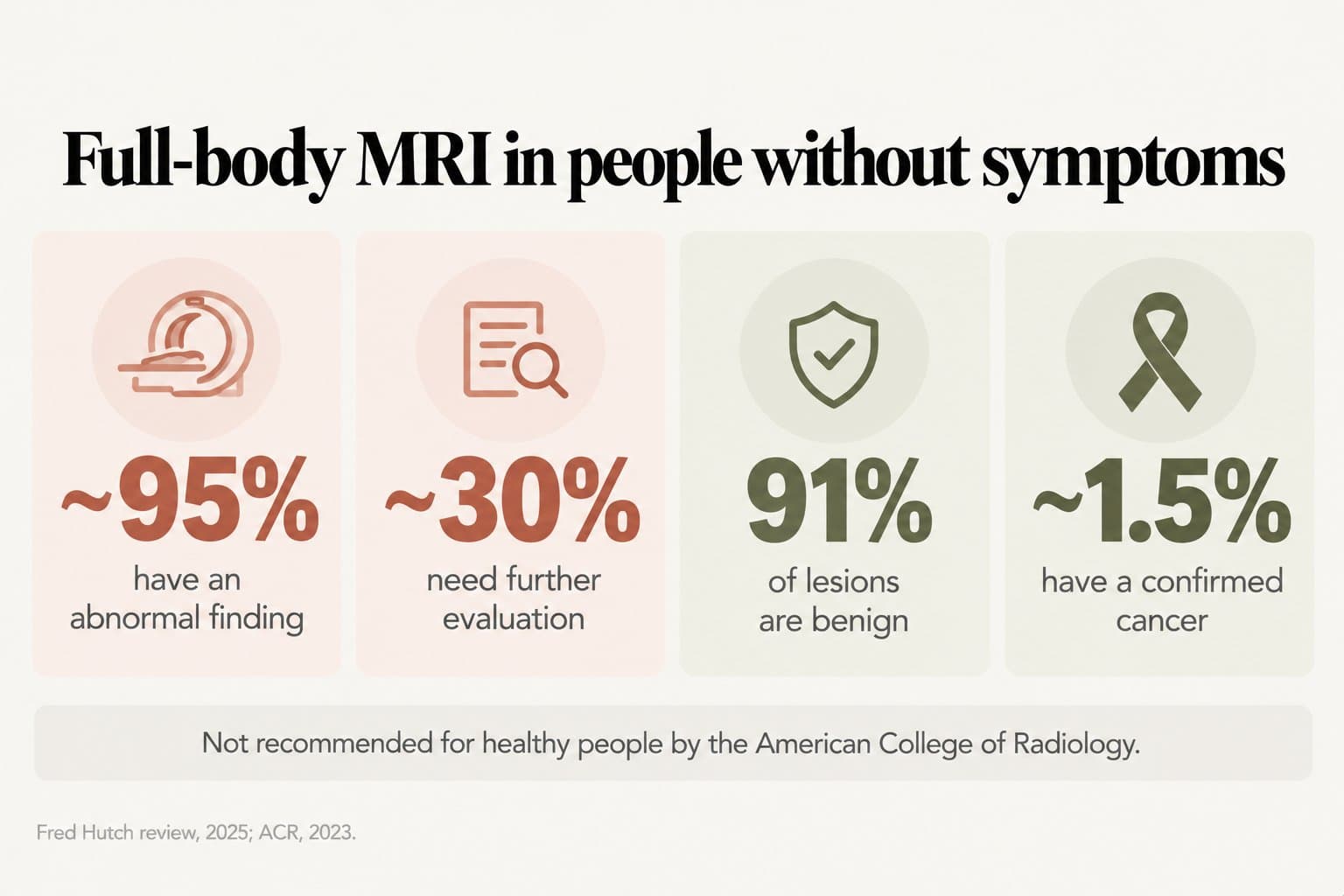
Longevity clinics and online companies now offer a growing menu of tests: epigenetic "biological age" kits, telomere tests, full-body MRI scans, genetic panels, organ age tests and continuous glucose monitors for healthy people. Some are useful, many are unproven, and a few can cause harm. Full-body MRI is a good example: the American College of Radiology doesn't support it for people without symptoms or risk factors, because "there is no documented evidence that total body screening is cost-efficient or effective in prolonging life". In studies of screening scans, about 95% of people had some abnormal finding, about 30% needed further evaluation, and around 1.5-2% had a suspected or confirmed cancer. Epigenetic age tests are valuable research tools, but as their pioneer Steve Horvath says, "It's not yet possible that you can go to different validated labs and get the same readout." Meanwhile, some simple, inexpensive measures are powerful predictors of long life. In a study of 122,007 people, those with elite cardiorespiratory fitness had an 80% lower risk of death than those with low fitness, a bigger difference than for smoking or diabetes. This article explains which tests are worth doing and which to question.
Key numbers
| Finding | Detail |
|---|---|
| Full-body MRI (American College of Radiology, 2023) | Not supported in people without symptoms, risk factors or relevant family history |
| Findings on screening whole-body MRI | About 95% have an abnormal finding; about 30% need further evaluation; 91% of lesions are benign |
| Cancer found on screening whole-body MRI | About 1.5% confirmed cancer in screened groups |
| Fitness and death (122,007 patients, median 8.4 years) | Elite vs low fitness: 80% lower risk of death |
| Epigenetic clock reliability | Early clocks differed by up to 9 years on the same sample |
Why more testing isn't always better
A useful test must be accurate and reliable, and its result must lead to an action that improves health. Many longevity tests fall short: they measure something that hasn't been shown to change outcomes, give different results from different laboratories, or uncover harmless findings that lead to anxiety, further tests and procedures. On the other hand, some well-established measures are underused.
Evidence strength
Strong: proven measures that predict health.
- Blood pressure, cholesterol, blood sugar and HbA1c, kidney and liver function: inexpensive, reliable and linked to treatments that reduce disease (see Nutrient Blood Tests).
- Cardiorespiratory fitness: in a 2018 study in JAMA Network Open of 122,007 patients who had treadmill exercise tests, those with elite fitness had an 80% lower risk of death over a median of 8.4 years than those with low fitness. By comparison, smoking was linked to 41% and diabetes to 40% higher risk. The authors concluded that "cardiorespiratory fitness is a modifiable indicator of long-term mortality".
- Guideline-based cancer screening, such as bowel, breast and cervical screening at recommended ages.
Strong: full-body MRI in healthy people isn't recommended. In 2023, the American College of Radiology stated that it does not support total body MRI screening in people without symptoms, risk factors or relevant family history, noting there's "no documented evidence that total body screening is cost-efficient or effective in prolonging life". It warned that scans uncover "numerous non-specific findings that will not ultimately improve patients' health", leading to "unnecessary follow-up testing and procedures, as well as significant expense". Reviews of screening studies have found abnormal findings in about 95% of people, with about 30% needing further evaluation and 91% of lesions turning out to be benign; about 1.5% of people screened had a confirmed cancer. Whether finding these cancers improves survival hasn't been shown. Scans typically cost thousands of US dollars.
Moderate: epigenetic age tests are research tools, not yet personal tools. Epigenetic clocks predict health outcomes in large studies (see Epigenetic Clocks Explained). But for individuals, results can vary with the clock, the laboratory, the measurement method and the sample. Horvath has warned that applying blood-trained clocks to saliva "without correction, the errors can be substantial", and that the tests were "designed for epidemiological studies, not individuals". Early clocks could differ by up to 9 years when the same sample was tested twice, and biological age can rise temporarily during illness or stress (see Can You Reverse Your Biological Age?).
Limited: other popular longevity tests.
- Telomere length tests: described as "premature" by leading researchers, because longer telomeres raise some cancer risks while lowering others (see Telomeres and Ageing).
- Organ age tests: promising in research, but not yet validated for routine clinical use (see Organ Ageing Clocks).
- Direct-to-consumer genetic longevity panels: most longevity genes have tiny effects, and results such as APOE ε4 can cause anxiety without changing what you should do (see The Genetics of Longevity).
- Continuous glucose monitors for healthy people: see Continuous Glucose Monitors Without Diabetes.
Important limitations.
- False reassurance: a "young" test result can lead people to neglect proven prevention.
- Overdiagnosis: finding harmless abnormalities can lead to unnecessary procedures with real risks.
- Cost: many tests are expensive, not covered by insurance, and repeated over time.
- Conflicts of interest: companies selling tests often fund or publish the research behind them.
Recommendations by situation
| Situation | What the evidence supports |
|---|---|
| Healthy adult wanting a longevity check-up | Blood pressure, cholesterol, blood sugar, kidney and liver tests, weight and waist, fitness assessment |
| Want to know your biological age | Fitness, strength and standard risk factors are more actionable; treat epigenetic kits as optional and experimental |
| Considering a full-body MRI | Not recommended without symptoms or risk factors; discuss with your doctor first |
| Strong family history of a disease | Targeted screening or genetic counselling based on that history |
| Offered telomere or organ age tests | Research tools; results unlikely to change your care |
| Due for cancer screening | Follow national guidelines for bowel, breast and cervical screening |
Practical notes
The most valuable longevity "tests" are often the simplest: knowing your blood pressure, cholesterol, blood sugar, weight, waist size and fitness, and keeping up with recommended cancer screening. These are cheap, reliable and lead directly to actions that prevent disease. Newer tests may become useful as evidence grows, but for now, ask three questions before paying for one: Is it accurate and reliable? Will the result change what I do? Is there evidence that acting on it improves health? Our Longevity Doctors use evidence-based testing tailored to your risks, starting with the free longevity assessment.
- American College of Radiology. ACR statement on screening total body MRI. April 2023.
- Fred Hutch Cancer Center. Whole-body MRI and cancer screening. August 2025.
- Mandsager K, et al. Association of cardiorespiratory fitness with long-term mortality among adults undergoing exercise treadmill testing. JAMA Network Open, 2018;1(6):e183605.
- The Scientist. Epigenetic clocks power biological age data, but why do results differ across tests?
- Higgins-Chen AT, et al. A computational solution for bolstering reliability of epigenetic clocks. Nature Aging, 2022;2(7):644-661.
Free longevity assessment
Would your next longevity test
change what you do?
Take the free Aevum Protocol assessment to see how your longevity science and 6 other longevity domains are performing — and get a personalised 90-day plan.
Take the free assessment