Reproductive & Sexual Health
Pregnancy Complications and Long-Term Health:
What Pregnancy Reveals About Your Future Heart and Metabolic Risk
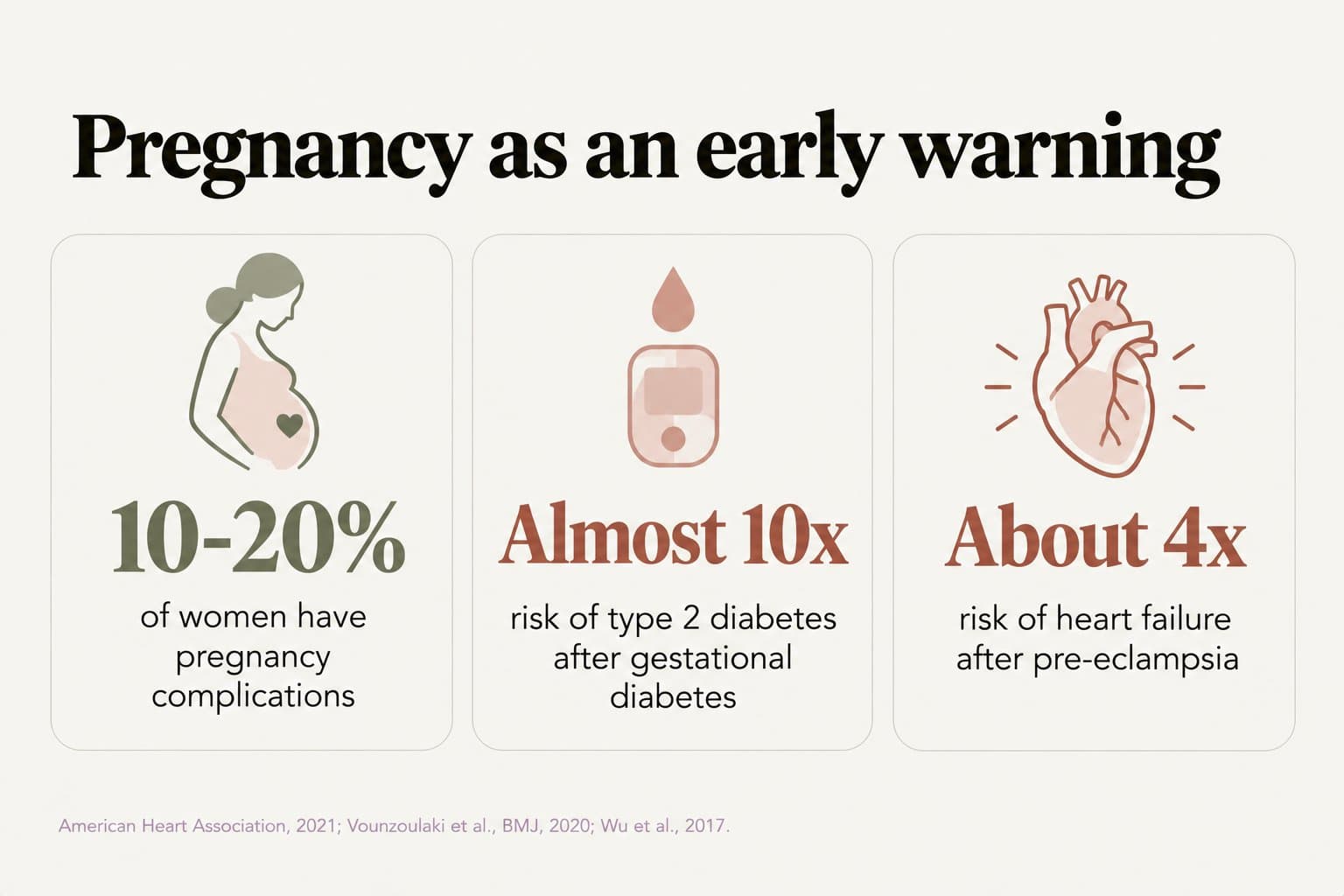
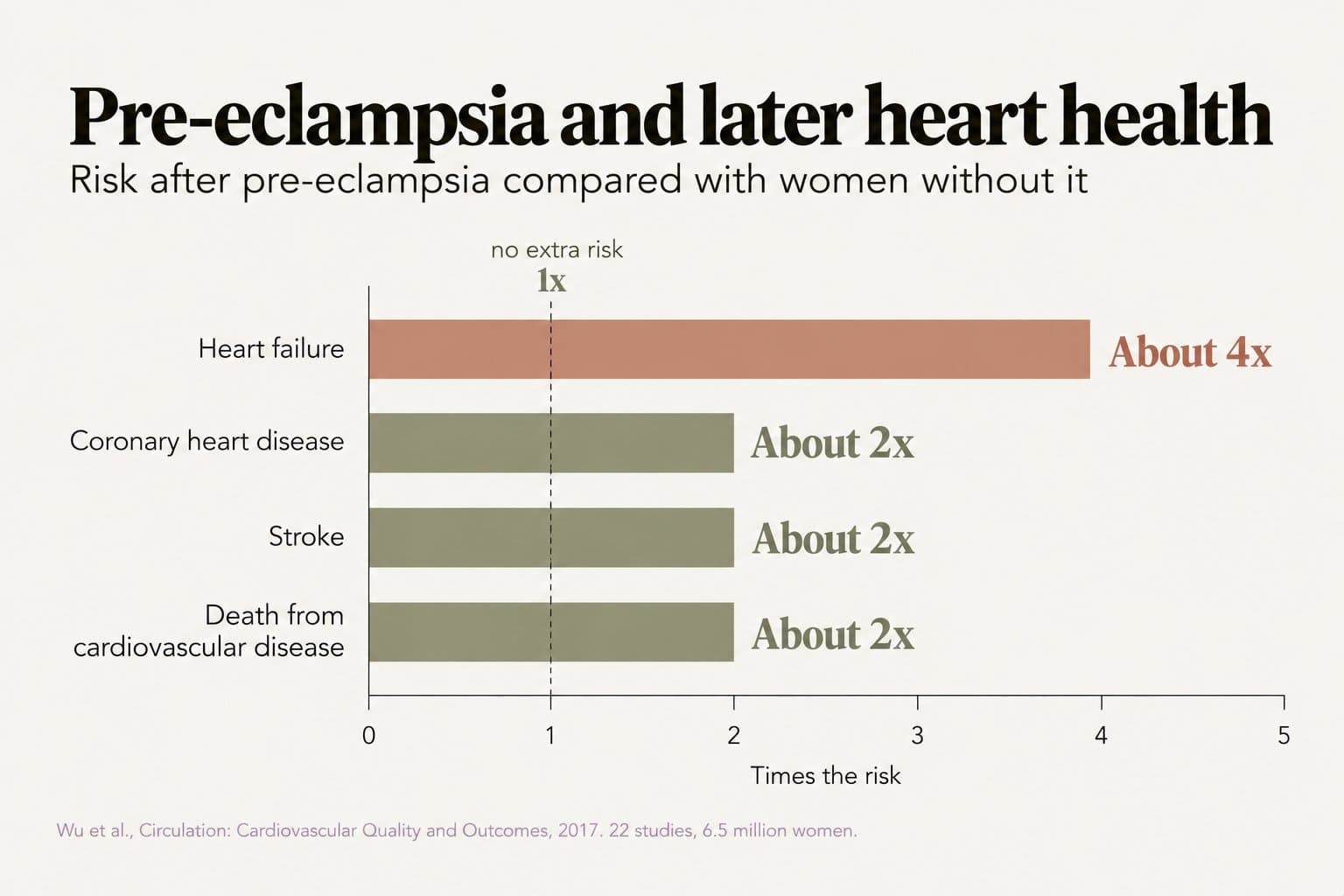
Pregnancy places big demands on the heart, blood vessels and metabolism, and it's often described as a natural "stress test". Complications that appear during pregnancy can reveal a woman's future risk of heart disease and diabetes years before they would otherwise show up. According to the American Heart Association, an estimated 10-20% of women experience pregnancy complications such as high blood pressure, gestational diabetes or preterm birth. These aren't just short-term problems. In a review of 20 studies with over 1.3 million women, those who had gestational diabetes were almost 10 times more likely to develop type 2 diabetes later. A review of 22 studies with 6.5 million women found that pre-eclampsia was linked to about four times the risk of heart failure and about twice the risk of coronary heart disease, stroke and death from cardiovascular disease. Women with a history of preterm birth have about a 63% higher risk of cardiovascular disease. The positive message is that these complications give an early warning, years ahead, when prevention can make the most difference. This article explains which complications matter, why, and what to do after pregnancy.
Key numbers
| Finding | Detail |
|---|---|
| Women with pregnancy complications (American Heart Association) | About 10-20% |
| Type 2 diabetes after gestational diabetes (20 studies, 1.3 million women) | Almost 10 times the risk (RR 9.51) |
| Pre-eclampsia and later heart disease (22 studies, 6.5 million women) | About 4 times the risk of heart failure; about twice the risk of coronary heart disease, stroke and cardiovascular death |
| High blood pressure in pregnancy and chronic hypertension (AHA) | 2-4 times the risk within 2-7 years of delivery |
| Preterm birth and later cardiovascular disease | About 63% higher risk |
Which pregnancy complications matter
The complications most strongly linked to long-term heart and metabolic health are:
- Hypertensive disorders of pregnancy: high blood pressure that starts in pregnancy (gestational hypertension) and pre-eclampsia, high blood pressure with signs of organ strain such as protein in the urine. Pre-eclampsia affects about 5-8% of pregnancies.
- Gestational diabetes: high blood sugar first found in pregnancy.
- Preterm birth: delivery before 37 weeks.
- Small-for-gestational-age babies: babies who are smaller than expected, often because of problems with the placenta.
- Placental abruption and pregnancy loss, including stillbirth.
Why pregnancy complications predict later disease
Pregnancy temporarily increases blood volume, heart output, insulin resistance and the workload on blood vessels. A woman whose body struggles to meet these demands may already have hidden vulnerabilities, such as a tendency to insulin resistance, high blood pressure or unhealthy blood vessel lining. Pregnancy unmasks them early. Complications such as pre-eclampsia may also cause lasting damage to blood vessels and the heart. In both cases, the result is a higher risk later in life.
The evidence
Gestational diabetes and type 2 diabetes. A 2020 meta-analysis in the BMJ of 20 studies, including 67,956 women with gestational diabetes and over 1.26 million without, found that women who'd had gestational diabetes were almost 10 times more likely to develop type 2 diabetes (RR 9.51). The authors stressed the importance of preventing diabetes, "particularly in the early years after pregnancy". Gestational diabetes is common in South Asian women, who also develop type 2 diabetes at younger ages and lower body weights (see South Asian Cardiovascular Risk and Insulin Resistance).
Pre-eclampsia and heart disease. A 2017 meta-analysis of 22 studies including 6.5 million women found that pre-eclampsia was linked to about four times the risk of later heart failure and about twice the risk of coronary heart disease, stroke and death from cardiovascular disease. The risk was highest in the first ten years after pregnancy and began rising within a year of delivery. The American Heart Association adds that women with high blood pressure in pregnancy have two to four times the risk of chronic high blood pressure within 2 to 7 years.
Preterm birth and other complications. Women who have had a preterm birth have about a 63% higher risk of future cardiovascular disease. The American Heart Association notes that women with pregnancy complications have heart attacks and strokes at younger ages than women without them. Major guidelines now recognise a history of pre-eclampsia, gestational diabetes and preterm birth as factors that raise a woman's cardiovascular risk (see Women's Heart Disease).
What raises the risk of pregnancy complications
| Factor | Effect | Modifiable? | Evidence strength |
|---|---|---|---|
| Excess weight before pregnancy | Raises risk of gestational diabetes and pre-eclampsia | Yes | Strong |
| High blood pressure or diabetes before pregnancy | Raise risk of pre-eclampsia and other complications | Yes, with control | Strong |
| South Asian ancestry | Higher risk of gestational diabetes | No | Strong |
| Older maternal age | Raises risk of several complications | Partly | Strong |
| Polycystic ovary syndrome | Raises risk of gestational diabetes and pre-eclampsia | Partly | Moderate |
| Previous complication | Raises risk in later pregnancies | No | Strong |
| Smoking | Raises risk of preterm birth and small babies | Yes | Strong |
| Physical inactivity | Raises risk of gestational diabetes | Yes | Moderate |
What you can actually change
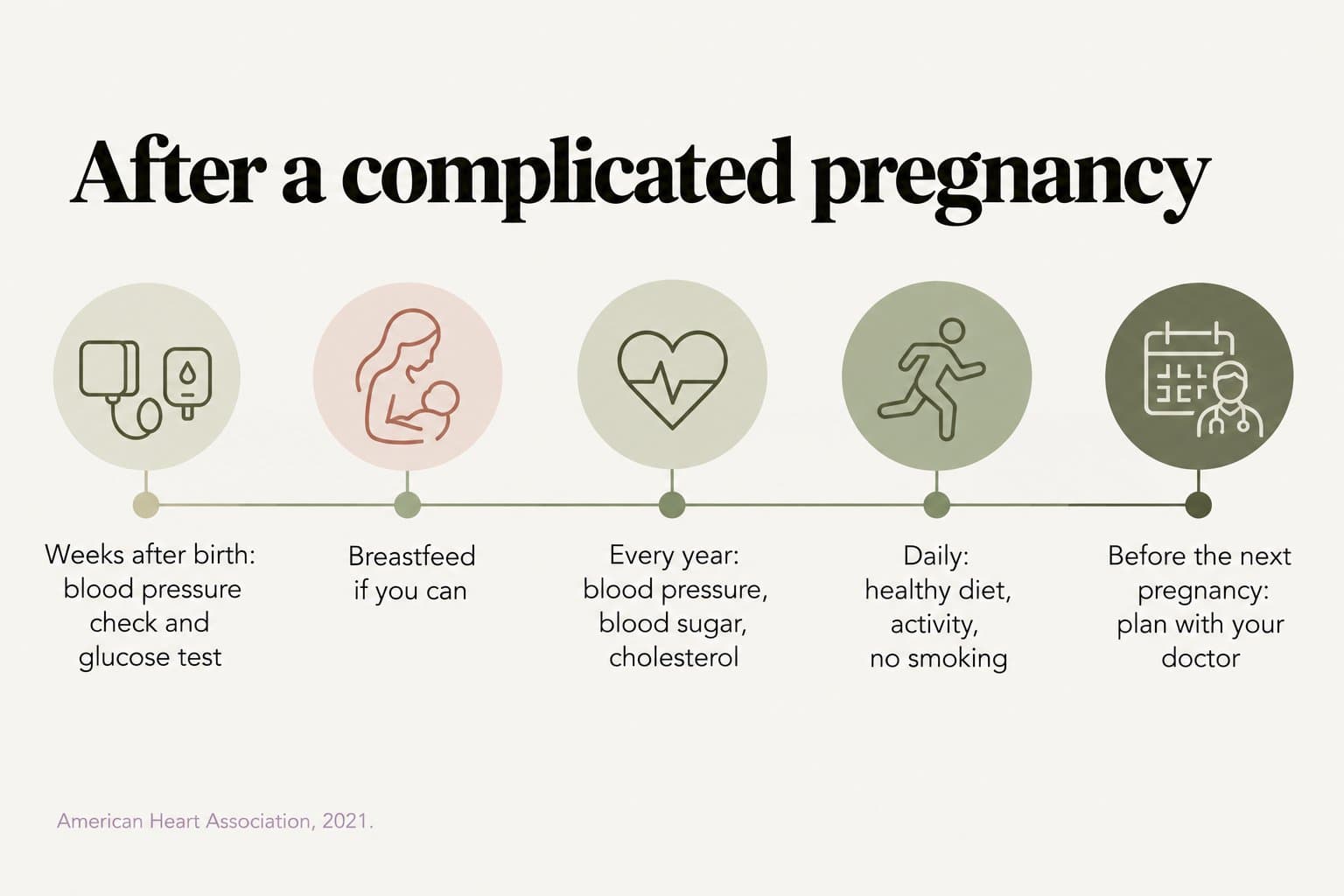
1. Treat your pregnancy history as part of your medical history. Tell every doctor who assesses your heart or metabolic health about pre-eclampsia, high blood pressure in pregnancy, gestational diabetes, preterm birth or a small baby, even decades later.
2. Get tested after gestational diabetes. Have a blood sugar test after delivery, commonly at 6-12 weeks, and then regular checks, often yearly, for life.
3. Check your blood pressure after hypertensive pregnancy. Have your blood pressure checked in the weeks after delivery and then at least yearly, as chronic high blood pressure can develop within a few years (see Home Blood Pressure Monitoring).
4. Breastfeed if you can. The American Heart Association highlights the heart and metabolic benefits of breastfeeding after pregnancy complications.
5. Build heart-healthy habits early. A healthy diet, regular activity, returning to a healthy weight after pregnancy and not smoking lower the risk of diabetes and heart disease. Prevention is most valuable in the first years after pregnancy, when risk begins to rise.
6. Prepare before your next pregnancy. Reaching a healthy weight, controlling blood pressure and blood sugar, and discussing low-dose aspirin with your doctor if you've had pre-eclampsia can lower the risk of complications next time (see Preconception Health Guide).
Recommendations
- After gestational diabetes, have a glucose test after delivery and then regularly for life.
- After pre-eclampsia or high blood pressure in pregnancy, have your blood pressure checked within weeks and at least yearly, and have cholesterol and blood sugar assessed.
- Make sure your pregnancy history is recorded in your medical notes and considered in your cardiovascular risk assessment.
- Act early: the first ten years after a complicated pregnancy are when risk rises fastest and prevention matters most.
Practical notes
Pregnancy is a window into a woman's future health. About 10-20% of women have complications such as pre-eclampsia, gestational diabetes or preterm birth, and these are linked to much higher risks of type 2 diabetes, high blood pressure and heart disease later in life. Knowing your pregnancy history, getting regular checks of blood pressure and blood sugar after a complicated pregnancy, breastfeeding and building healthy habits early can turn this warning into a chance for prevention.
- American Heart Association. Heart disease risk factors in women highlight need for increased awareness, prevention. News release on Parikh NI, et al. Adverse pregnancy outcomes and cardiovascular disease risk: unique opportunities for cardiovascular disease prevention in women. Circulation, 2021;143(18):e902-e916.
- Vounzoulaki E, et al. Progression to type 2 diabetes in women with a known history of gestational diabetes: systematic review and meta-analysis. BMJ, 2020;369:m1361.
- Wu P, et al. Preeclampsia and future cardiovascular health: a systematic review and meta-analysis. Circulation: Cardiovascular Quality and Outcomes, 2017;10(2):e003497.
- American College of Cardiology. Adverse pregnancy outcomes and cardiovascular disease risk from the American Heart Association Heart Disease and Stroke Statistics 2021 Update.
Free longevity assessment
Does your doctor know
your pregnancy history?
Take the free Aevum Protocol assessment to see how your reproductive & sexual health and 6 other longevity domains are performing — and get a personalised 90-day plan.
Take the free assessmentKeep reading
Related articles
Cardiovascular & Metabolic Health
Women's Heart Disease: Different Risks, Different Symptoms, and What to Watch For
Reproductive & Sexual Health
Preconception Health Guide: How Both Partners Can Prepare for a Healthy Pregnancy
Cardiovascular & Metabolic Health