Nutrition & Metabolism
Tea, Coffee and Longevity:
What the Evidence Shows About Your Daily Cup
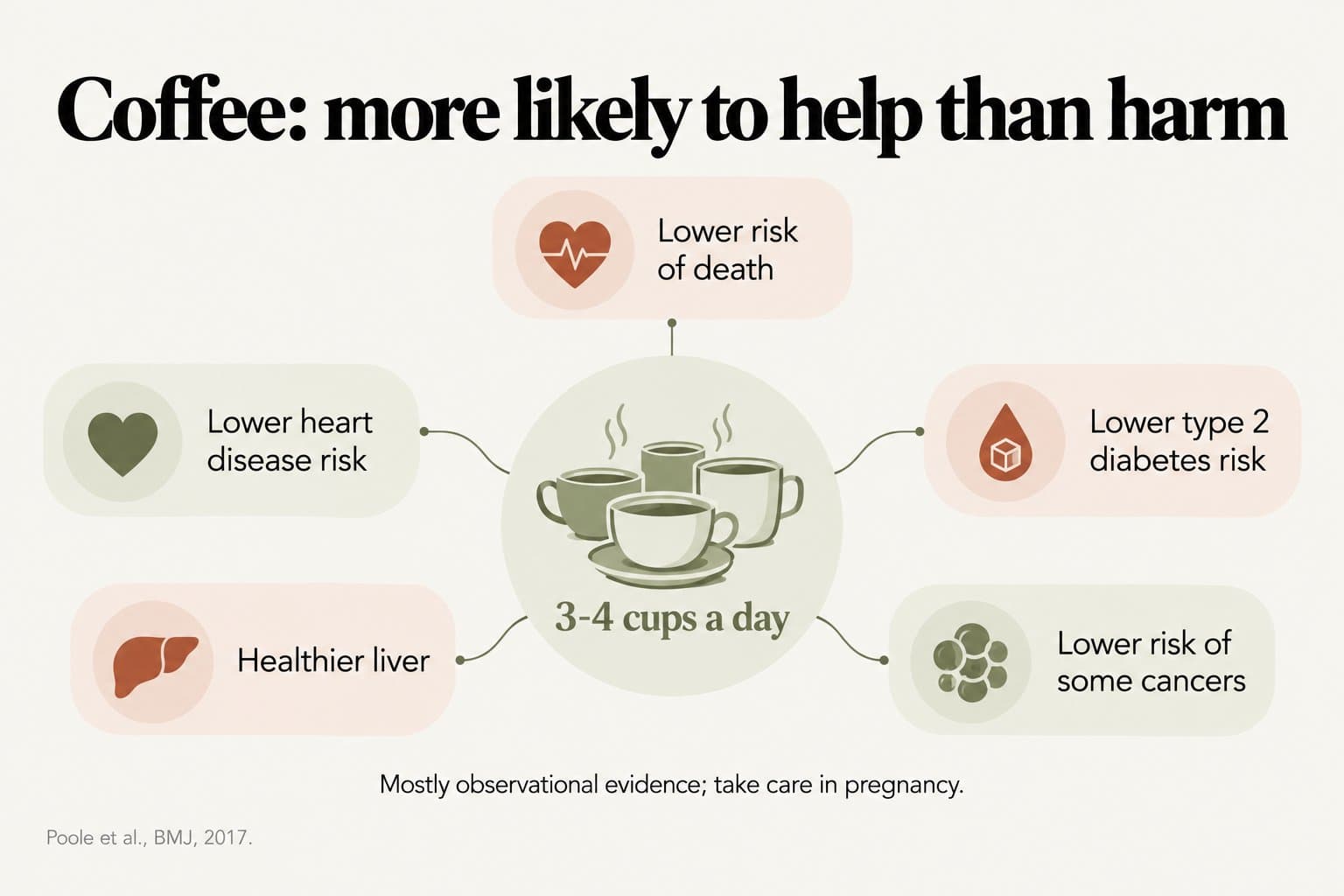
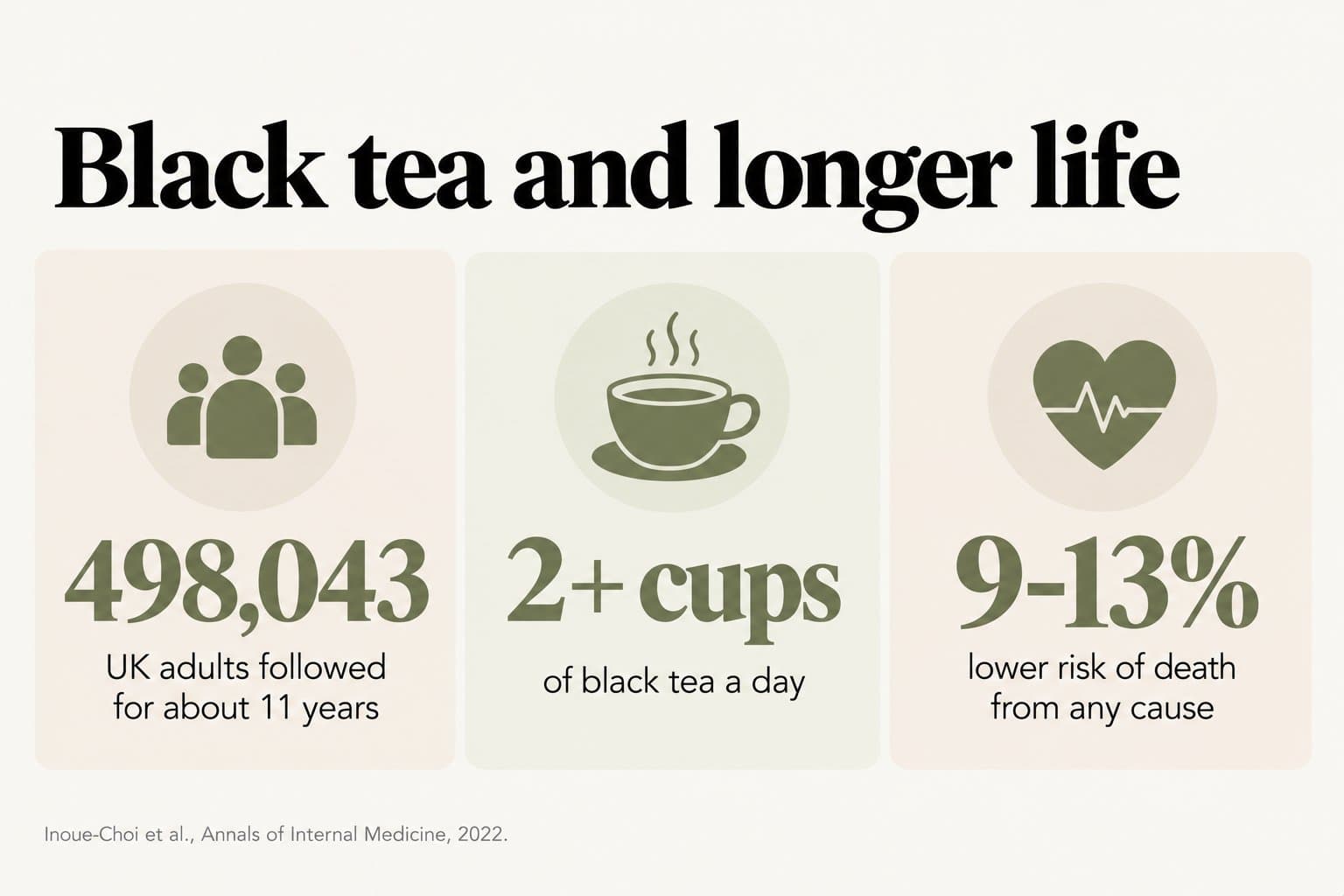
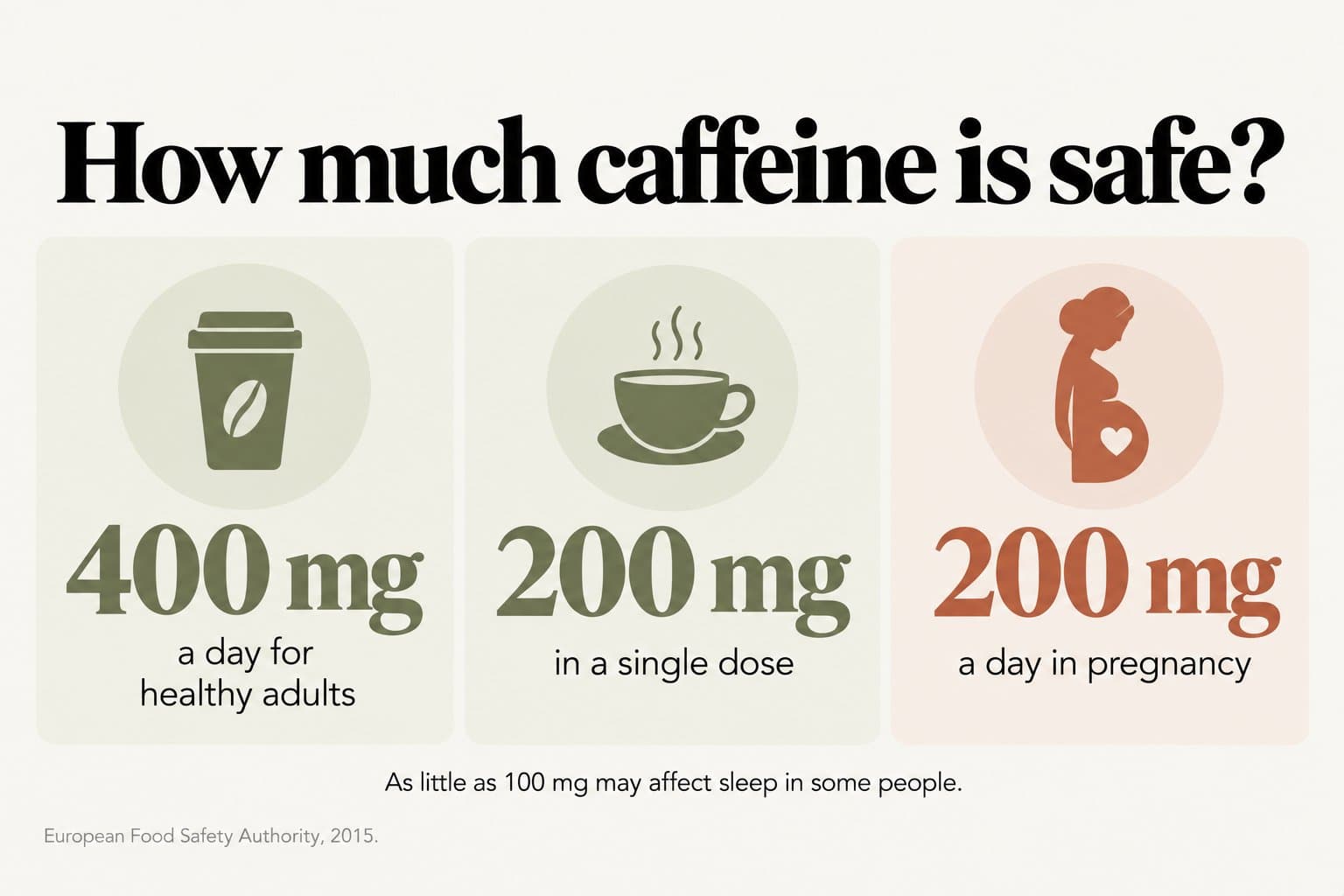
Tea and coffee are the world's most popular drinks after water, and in Sri Lanka, home of Ceylon tea, a cup of tea is part of daily life. The good news is that, for most adults, both appear to be compatible with, and possibly beneficial for, a long life. A major BMJ review of more than 200 studies found that coffee was "more likely to benefit health than to harm it", with the greatest benefits at three to four cups a day, including lower risks of death, heart disease, type 2 diabetes and liver disease. A UK study of nearly 500,000 adults found that people who drank two or more cups of black tea a day had a 9-13% lower risk of death from any cause than non-tea drinkers. These findings come from observational studies, so they can't prove that tea or coffee cause the benefits, and what you add matters: large amounts of sugar, condensed milk or sweet creamers can cancel out the advantages. Caffeine also has limits: up to 400 mg a day is considered safe for most adults, and 200 mg in pregnancy. This article explains the evidence and how to enjoy tea and coffee in a healthy way.
Key numbers
| Finding | Detail |
|---|---|
| Coffee and health (BMJ umbrella review, over 200 studies) | Largest benefits at 3-4 cups a day; lower risks of death, heart disease, type 2 diabetes and liver disease |
| Black tea and death (498,043 UK adults, about 11 years) | 9-13% lower risk with 2 or more cups a day |
| Coffee with or without sugar (171,616 UK adults, 7 years) | 1.5-3.5 cups a day linked to 16-29% lower risk unsweetened and 28-31% with about a teaspoon of sugar |
| Safe caffeine intake (European Food Safety Authority) | Up to 400 mg a day for adults; single doses up to 200 mg; up to 200 mg a day in pregnancy |
| Caffeine and sleep (same assessment) | As little as 100 mg may affect falling asleep in some people |
What's in your cup
Tea and coffee contain caffeine plus hundreds of other compounds, including polyphenols such as chlorogenic acids in coffee and catechins and theaflavins in tea, which have antioxidant and anti-inflammatory effects in laboratory studies. A typical cup of brewed coffee contains roughly 80-100 mg of caffeine, and a cup of black tea about 30-50 mg, although amounts vary widely with strength and serving size.
Evidence strength
Moderate: coffee is linked to lower risks of death and several chronic diseases. A 2017 umbrella review in The BMJ brought together more than 200 meta-analyses and studies. It concluded that coffee was "more likely to benefit health than to harm it". The largest reductions in risk were seen at three to four cups a day, for death from any cause and from heart disease, and coffee drinkers also had lower risks of type 2 diabetes, several cancers, including liver and endometrial cancer, gallstones, gout, liver disease, Parkinson's disease and depression. The authors noted that the evidence was "mainly observational", so coffee drinkers may differ from non-drinkers in other ways. An accompanying editorial advised against starting coffee purely to prevent disease.
Moderate: black tea is linked to longer life. Most earlier tea research focused on green tea in China and Japan. A 2022 study by US National Cancer Institute researchers, published in the Annals of Internal Medicine, followed 498,043 UK adults aged 40-69 for about 11 years, most of whom drank black tea. People drinking two or more cups a day had a 9-13% lower risk of death from any cause than non-tea drinkers, with lower risks of death from cardiovascular disease and stroke. The association held regardless of tea temperature, whether people added milk or sugar, and how quickly they metabolised caffeine.
Limited: the effect of sugar and milk. A 2022 UK Biobank study of 171,616 adults found that moderate coffee drinking (1.5-3.5 cups a day) was linked to lower death rates whether the coffee was unsweetened (16-29% lower) or had a little sugar (28-31% lower). But participants added only about a teaspoon of sugar per cup on average, and the researchers cautioned that this can't be applied to heavily sweetened drinks. In Sri Lanka, tea is often taken with two or three teaspoons of sugar and condensed or full-cream milk powder, several times a day. That can add up to a large share of the World Health Organization's suggested limit of about 6 teaspoons of free sugar a day (see Sugar and Refined Carbohydrates).
Strong: caffeine limits and who should be careful. The European Food Safety Authority concluded that daily caffeine intakes up to 400 mg, and single doses up to 200 mg, don't raise safety concerns for healthy adults, and that up to 200 mg a day is safe in pregnancy. It noted that 100 mg of caffeine may affect sleep in some people. The BMJ review also found possible harms in pregnancy and a slightly higher fracture risk in women. People who should take extra care include:
- Pregnant and breastfeeding women: keep caffeine below 200 mg a day.
- People with poor sleep, anxiety or palpitations.
- People with uncontrolled high blood pressure or heart rhythm problems.
- Children and teenagers: up to 3 mg per kg of body weight a day.
Important limitations.
- Most evidence is observational, so it shows association, not proof.
- People respond differently to caffeine, partly because of genes that affect how quickly it's broken down.
- Unfiltered coffee, such as boiled or French press coffee, contains compounds that can raise LDL cholesterol; filtered and instant coffee contain less.
- Very hot drinks have been linked to a higher risk of oesophageal cancer, so let tea and coffee cool slightly.
Recommendations by situation
| Situation | What the evidence supports |
|---|---|
| Healthy adult who enjoys tea or coffee | Up to 3-4 cups a day is compatible with good health |
| Drink tea with lots of sugar | Gradually cut down; aim for little or no sugar |
| Use condensed milk or sweet creamers | Switch to fresh or low-fat milk, or drink tea plain |
| Poor sleep | Avoid caffeine from early afternoon |
| Pregnant or breastfeeding | Keep caffeine below 200 mg a day, about two cups of coffee |
| High LDL cholesterol | Choose filtered or instant coffee over boiled coffee |
| Anxiety, palpitations or heart rhythm problems | Reduce caffeine and discuss with your doctor |
| Don't drink tea or coffee | No need to start for health reasons |
If caffeine is affecting your sleep, see Sleep Hygiene.
Practical notes
For most adults, tea and coffee can be part of a long and healthy life: moderate intake, up to three or four cups a day, is linked to lower risks of death and several chronic diseases, although this evidence is observational. The biggest risks come from what's added: plenty of sugar, condensed milk or sweet creamers. Enjoy your cup plain or with a little milk, keep caffeine within safe limits, avoid it late in the day if it affects your sleep, and take extra care in pregnancy (see Eating Patterns for Longevity).
- Poole R, et al. Coffee consumption and health: umbrella review of meta-analyses of multiple health outcomes. BMJ, 2017;359:j5024.
- Inoue-Choi M, et al. Tea consumption and all-cause and cause-specific mortality in the UK Biobank: a prospective cohort study. Annals of Internal Medicine, 2022;175(9):1201-1211.
- Liu D, et al. Association of sugar-sweetened, artificially sweetened, and unsweetened coffee consumption with all-cause and cause-specific mortality: a large prospective cohort study. Annals of Internal Medicine, 2022;175(7):909-917.
- European Food Safety Authority Panel on Dietetic Products, Nutrition and Allergies. Scientific opinion on the safety of caffeine. EFSA Journal, 2015;13(5):4102.
Free longevity assessment
How much sugar goes into
your daily cups of tea?
Take the free Aevum Protocol assessment to see how your nutrition & metabolism and 6 other longevity domains are performing — and get a personalised 90-day plan.
Take the free assessmentKeep reading